

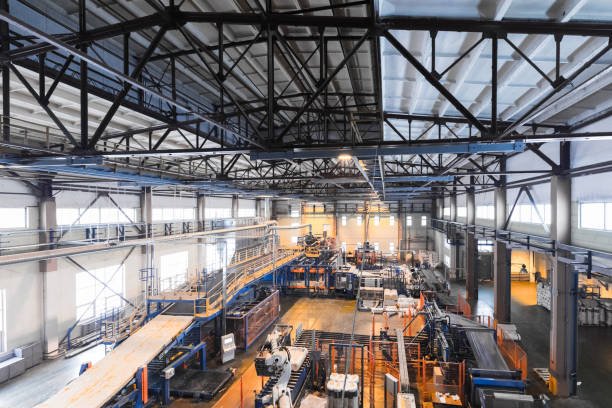
Industrial Shed Structural Failures
Industrial sheds are the backbone of manufacturing units, warehouses, logistics hubs, and agro-processing facilities. When designed and constructed properly, they provide durability, safety, and long-term cost efficiency. However, structural failures can lead to operational disruptions, safety hazards, and expensive repairs. Understanding the common causes of failure helps businesses build stronger, safer, and more reliable industrial infrastructure.
Why Structural Integrity Matters
A structurally sound industrial shed ensures:
- Worker safety
- Protection of machinery and goods
- Resistance to weather and environmental stress
- Long service life with minimal maintenance
- Compliance with safety standards
Neglecting structural design or material quality can result in premature failure and costly downtime.
Common Structural Failures in Industrial Sheds
1. Foundation Failure and Soil Settlement
Problem: Uneen settlement causes column tilting, cracks, and structural misalignment.
Causes:
- Poor soil testing before construction
- Weak foundation design
- Waterlogging and erosion
Prevention:
- Conduct soil investigation before design
- Use appropriate foundation depth and reinforcement
- Ensure proper drainage around the structure
2. Overloading Beyond Design Capacity
Problem: Structural members bend or fail under excessive load.
Causes:
- Installing heavier machinery than planned
- Adding mezzanine floors later
- Storing materials beyond load limits
Prevention:
- Design for future load expansion
- Follow load-bearing specifications
- Conduct structural audit before modifications
3. Poor Quality Steel and Fabrication Defects
Problem: Weak joints and structural members reduce strength and stability.
Causes:
- Substandard steel materials
- Improper welding
- Poor fabrication accuracy
Prevention:
- Use certified structural steel
- Ensure precision fabrication and quality checks
- Conduct weld inspections and testing
4. Corrosion and Environmental Damage
Problem: Rust weakens structural members and reduces lifespan.
Causes:
- High humidity or coastal environments
- Chemical exposure in industrial settings
- Lack of protective coating
Prevention:
- Apply hot-dip galvanization or anti-corrosion coatings
- Schedule periodic maintenance inspections
- Use corrosion-resistant materials in harsh environments
5. Wind Load and Storm Damage
Problem: Roof uplift, panel detachment, or structural collapse during storms.
Causes:
- Inadequate wind load calculations
- Weak roof connections
- Poor anchoring systems
Prevention:
- Design as per regional wind load standards
- Strengthen bracing systems
- Use high-quality fasteners and anchoring
6. Improper Roof Drainage and Water Accumulation
Problem: Water pooling increases load and causes leakage or corrosion.
Causes:
- Insufficient slope design
- Blocked gutters and downpipes
- Poor drainage planning
Prevention:
- Design adequate roof slope and drainage system
- Schedule routine cleaning and maintenance
- Ensure proper rainwater discharge channels
7. Thermal Expansion and Structural Stress
Problem: Expansion and contraction cause cracks and joint stress.
Causes:
- Extreme temperature variations
- Lack of expansion joints
Prevention:
- Provide expansion joints in large-span sheds
- Use flexible joint design
- Select materials suited for thermal variation
Warning Signs You Should Never Ignore
- Visible cracks in columns or beams
- Rust and weakening joints
- Roof sagging or deformation
- Water leakage and pooling
- Doors or shutters misaligning
- Unusual vibrations or sounds
Early detection can prevent major failures and costly repairs.
Best Practices for Long-Lasting Industrial Sheds
- Choose experienced structural engineering and fabrication experts
- Follow national structural design standards
- Use high-quality materials and protective coatings
- Conduct periodic inspections and maintenance
- Plan for environmental and future load conditions
Conclusion
Structural failures in industrial sheds are preventable when proper engineering, quality materials, and routine maintenance are prioritized. Investing in the right design and fabrication not only protects assets and workers but also ensures operational continuity and long-term cost savings.
Partnering with experienced professionals like Smart Cube India ensures that your industrial shed is engineered for strength, safety, and durability — built to perform under real-world conditions.