

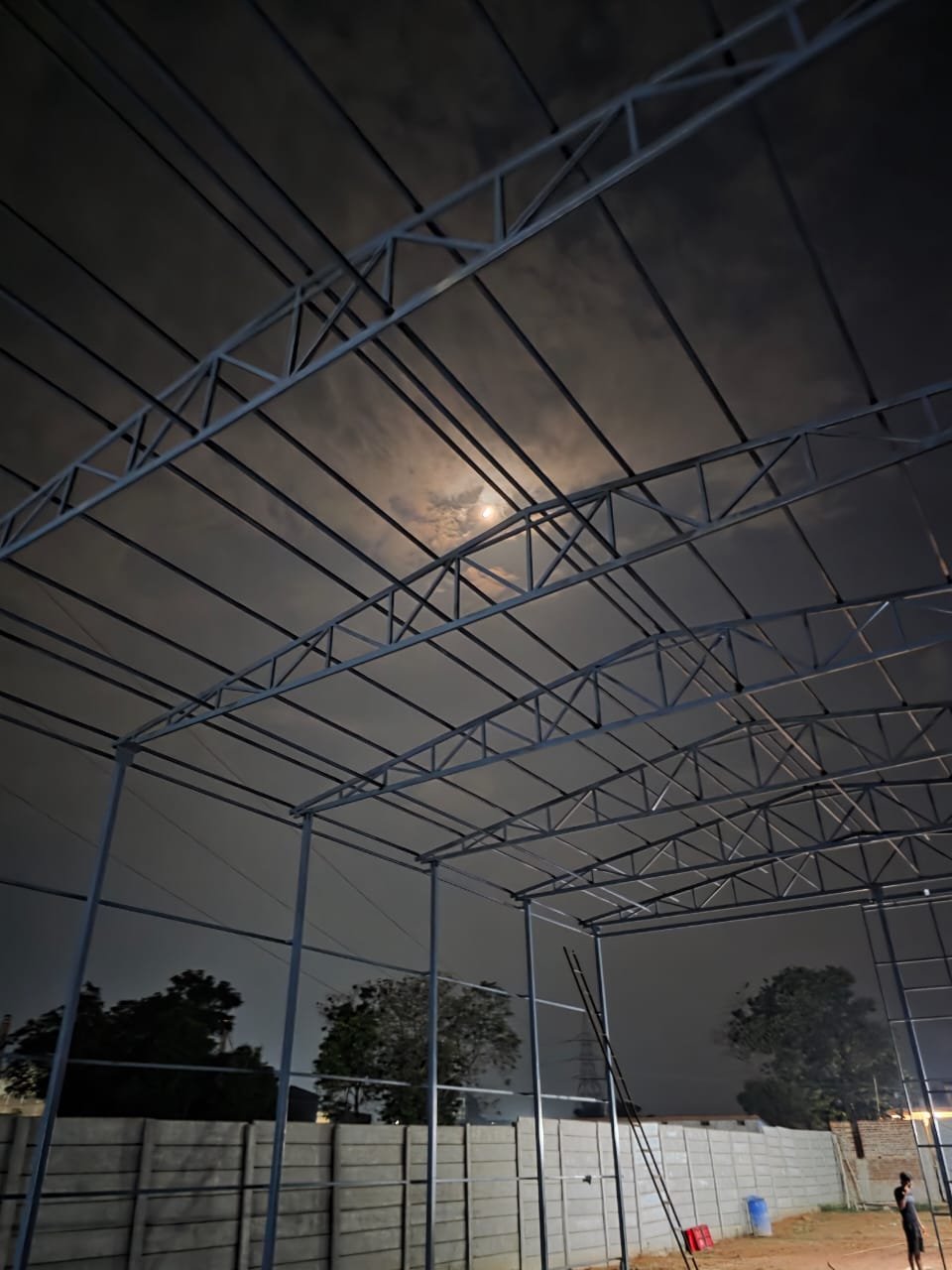
Steel Structure Failures
Steel structures are the backbone of modern industrial facilities and solar projects. From factory sheds to solar mounting systems, they are expected to deliver strength, durability, and long-term performance.
However, failures in steel structures are more common than many realize—and the consequences can be costly, dangerous, and disruptive.
Understanding the root causes of these failures and implementing the right preventive measures is essential for ensuring safety, efficiency, and long-term reliability.
Why Do Steel Structures Fail?
Steel is inherently strong, but structural performance depends on more than just material quality. Failures typically arise from a combination of design flaws, fabrication errors, and on-site execution issues.
Let’s explore the most common causes:
1. Poor Welding Quality
Welding is one of the most critical aspects of steel fabrication. Weak or inconsistent welds can compromise the entire structure.
Common Issues:
- Incomplete penetration
- Porosity and cracks
- Lack of proper inspection
Impact:
Even a minor welding defect can lead to structural instability under load or vibration.
2. Incorrect Load Calculations
Every structure is designed to handle specific loads—dead load, live load, wind load, and sometimes seismic forces.
What Goes Wrong:
- Underestimating wind loads in open industrial areas
- Ignoring dynamic loads in solar installations
- Lack of proper engineering validation
Result:
Overloading can lead to bending, deformation, or even collapse.
3. Use of Substandard Materials
The quality of raw materials plays a crucial role in determining the lifespan of a structure.
Risks Include:
- Low-grade steel
- Inconsistent thickness
- Non-certified materials
Outcome:
Reduced strength, early wear, and higher chances of failure under stress.
4. Corrosion & Environmental Damage
Industrial environments and outdoor solar installations are highly exposed to moisture, chemicals, and temperature variations.
Common Problems:
- Rust formation due to poor coating
- Chemical corrosion in industrial zones
- Weather damage in coastal or high-humidity areas
Impact:
Gradual weakening of structural integrity over time.
5. Improper Installation & On-Site Errors
Even a perfectly designed and fabricated structure can fail due to poor installation.
Typical Mistakes:
- Misalignment during erection
- Improper bolting or fastening
- Lack of supervision on-site
Result:
Uneven load distribution and long-term instability.
Real-World Scenarios
To understand the seriousness, here are a few common real-life situations:
- Industrial Shed Collapse: Weak bracing combined with high wind pressure leads to sudden failure.
- Solar Mounting Structure Failure: Poor anchoring causes panels to tilt or collapse during storms.
- Elevated Structure Instability: Improper load distribution leads to gradual deformation.
These failures are not just technical issues—they result in downtime, financial loss, and safety risks.
How to Prevent Steel Structure Failures
Prevention is always more cost-effective than repair. Here’s how to ensure long-lasting and reliable structures:
1. Precision Engineering & Design Validation
- Conduct detailed load analysis
- Use advanced design tools and simulations
- Ensure compliance with industry standards
2. High-Quality Fabrication Processes
- Use certified raw materials
- Maintain strict quality control during fabrication
- Ensure skilled welding with proper inspection protocols
3. Advanced Manufacturing Techniques
- CNC-based cutting and fabrication for accuracy
- Consistent dimensional control
- Reduced human error
4. Protective Coatings & Finishing
- Apply anti-corrosion coatings
- Use galvanization where required
- Ensure proper surface treatment
5. Professional Installation & Supervision
- Experienced on-site teams
- Proper alignment and fastening
- Continuous inspection during erection
6. Regular Inspection & Maintenance
- Periodic structural audits
- Early detection of wear and tear
- Timely repairs and reinforcements
The Role of Custom Engineering
One-size-fits-all solutions often lead to long-term problems.
Every industrial or solar project has unique requirements based on location, usage, and environmental conditions. Custom-engineered solutions ensure:
- Optimized load handling
- Better durability
- Higher efficiency and safety
Conclusion
Steel structure failures are not inevitable—they are preventable.
With the right combination of engineering expertise, quality fabrication, and precise execution, businesses can avoid costly failures and ensure long-term performance.
Investing in the right approach today means safer operations, reduced maintenance costs, and better returns in the future.