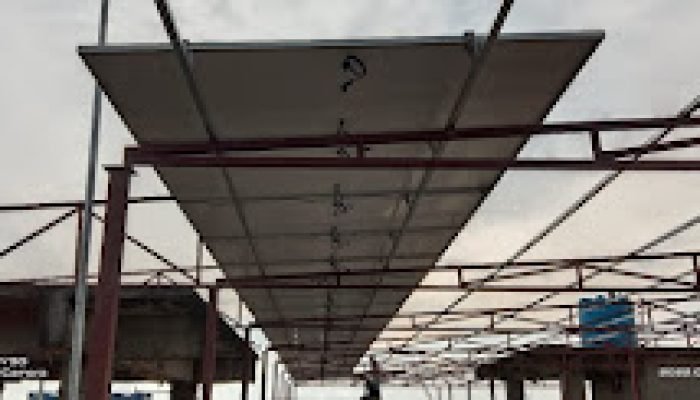
What Is a Solar Mounting Structure?
Sunlight hits panels best when they stay steady, which the frame makes possible. Built strong, it holds everything in place even during windy days.This setup helps produce more electricity by keeping angles just right all year long. Durability counts, so these frames last over a quarter century without failing. Position matters too, since how they sit affects performance directly.
Most systems rely on this base to avoid shifting or slipping out of position. Over time, stability separates good installations from weak ones.
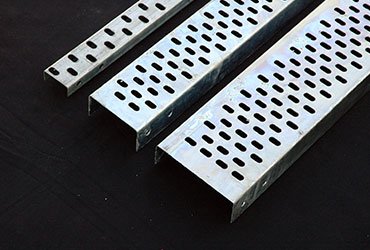
Starting strong, Smart Cube builds tough solar frames dipped in zinc to fight rust.
These setups work well on roofs, open land, raised platforms, even factories nationwide. Built to resist fierce winds comes next. They handle extreme climates without weakening. Corrosion stands no chance here either.
Types of Solar Mounting Structures
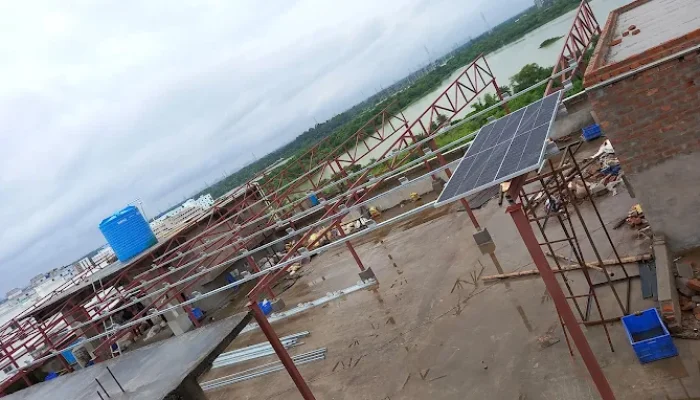
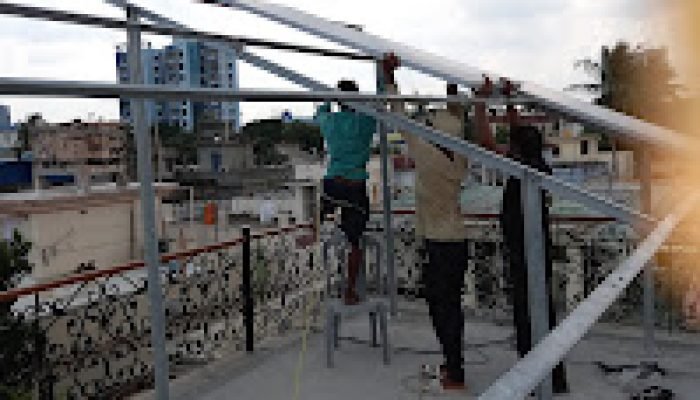
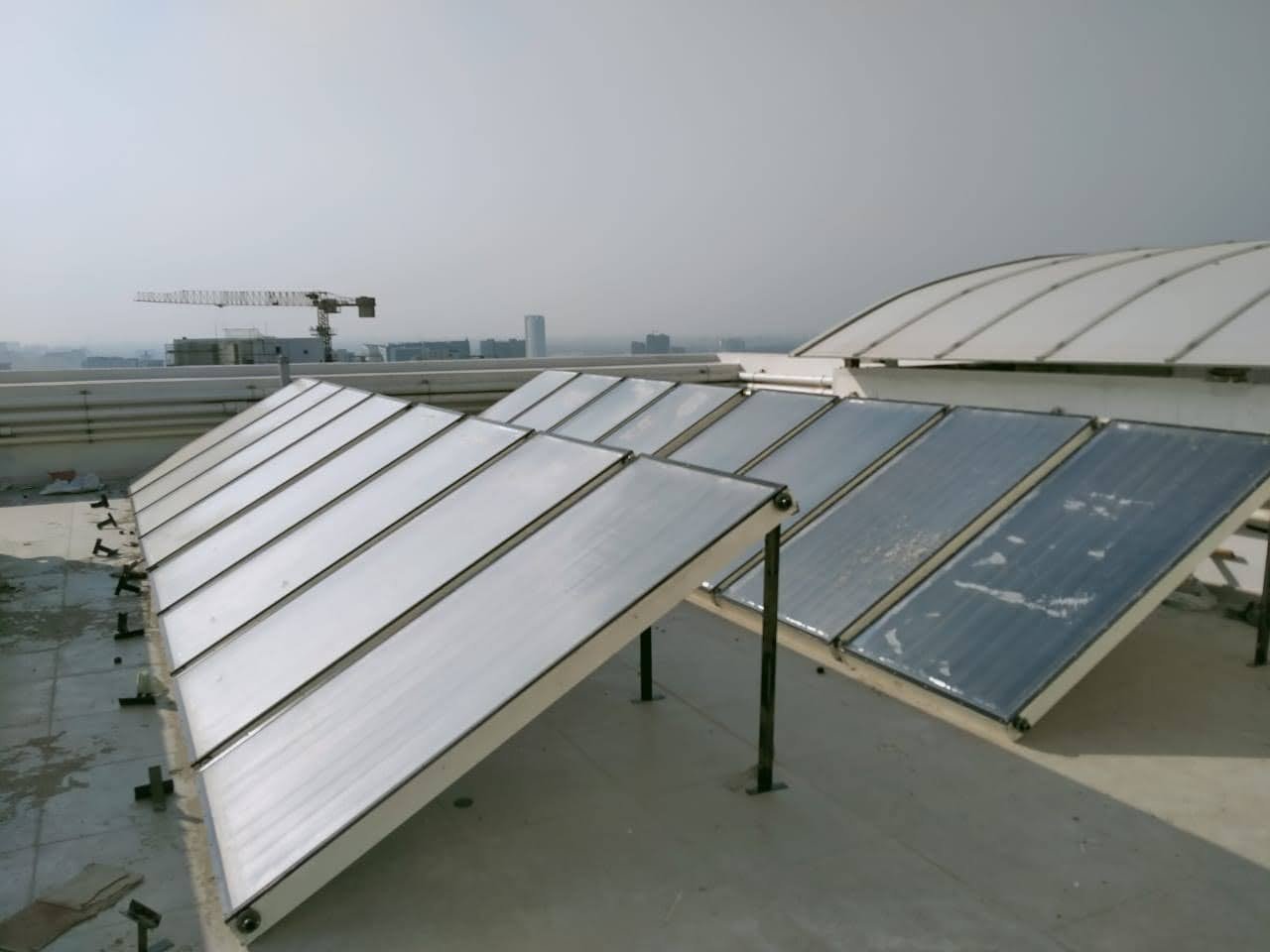
Rooftop Solar Structure: Starting at home roofs, it works just as well on big factory tops – RCC or metal sheets included. Even though light, its build stays tough without weighing structures down too much. Stays steady even when the structure can’t handle heavy stuff. Found everywhere from apartment blocks to warehouses with flat concrete or tin covers. Holds firm without asking buildings to carry extra stress.
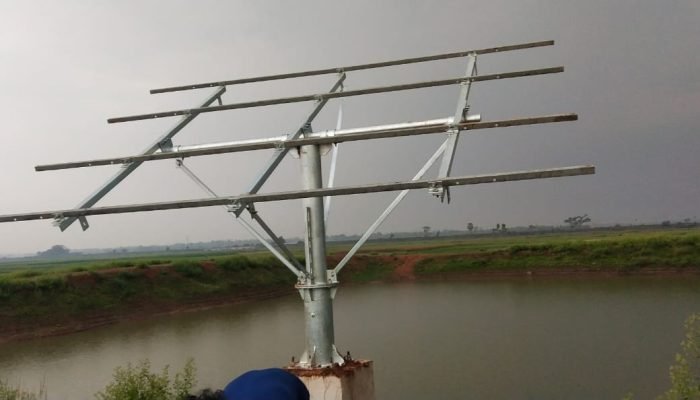
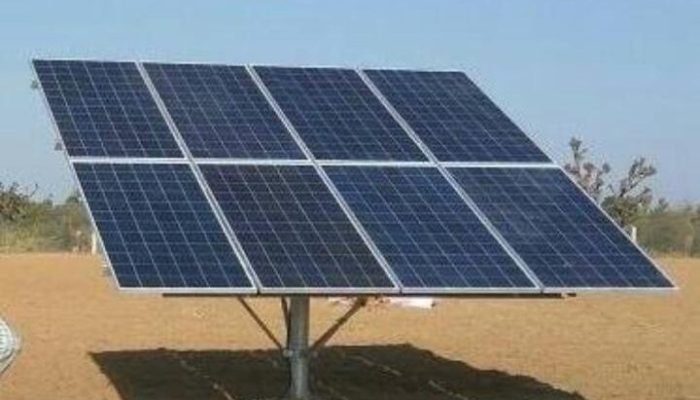
Ground Mounted Solar Structure: Far-flung solar stations rely on it, along with wide-area setups across empty terrain. Access for upkeep comes without hassle, while the ideal slant of panels lifts output through smarter sun alignment.
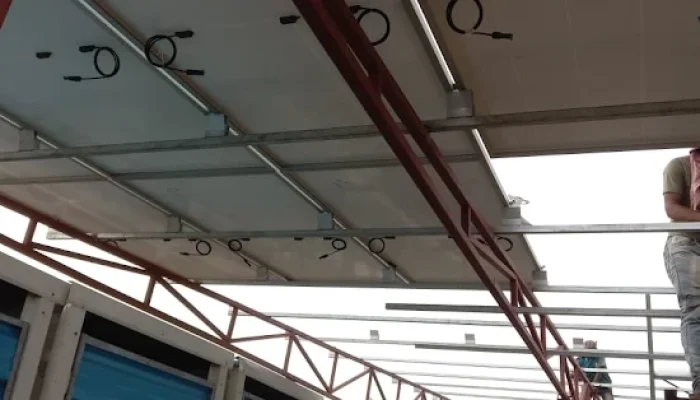
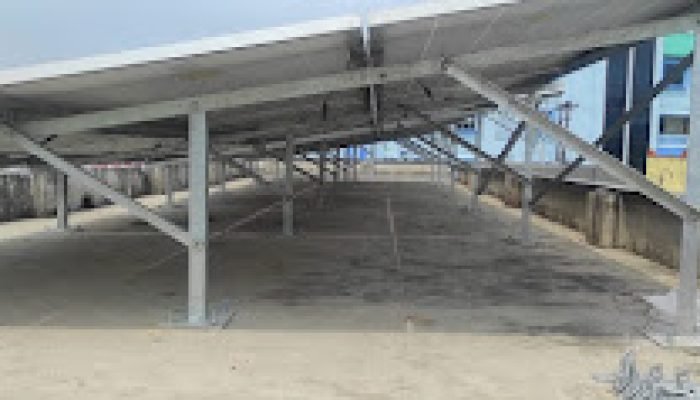
Elevated Solar Structure: Floating just high enough to clear what’s underneath – parking spots, stored items, walkways – you’ll spot these structures where every square foot counts. Factories roll with them. So do busy shopping hubs.
Car Parking Solar Structure: Shade for cars comes first, yet electricity flows too. Perfect at malls – also works near hospitals. Housing groups benefit, just like office zones do. Power builds up underneath where vehicles park by chance.
Tin Shed Solar Structure: Clamping systems built just right for metal rooftops keep sheets intact while fitting. These setups seal tight so water stays out during mounting.
Solar Tracker Structure: Tracking the sun’s path allows this setup to produce more power than static versions. Built to shift with daylight, it captures light across angles through the day. Movement matches the sky’s rhythm instead of staying still like older models do.
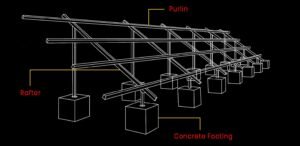
Technical Specifications
| Parameter | Specification |
| Material | Hot Dip Galvanized Steel / Aluminium |
| Galvanization Coating | 65–120 Micron |
| Wind Load Resistance | Up to 180 km/h |
| Structure Life | 25 Years+ |
| Tilt Angle | 10° – 30° Customizable |
| Installation Time | 1–3 Days |
| Corrosion Protection | Anti‑rust Industrial Coating |
| Design Standard | IS 875 & IS 800 Compliance |
Design and Engineering Workflow
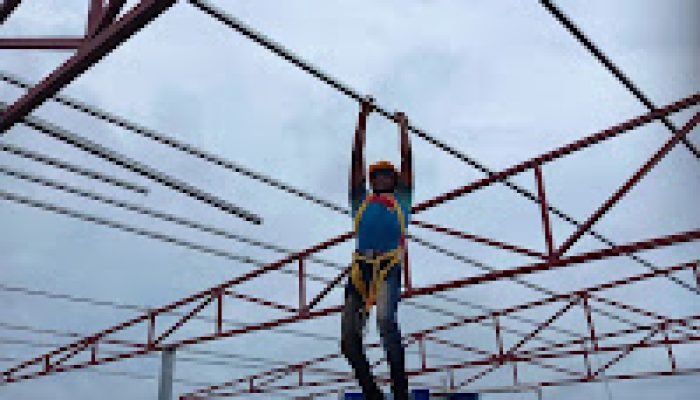
After checking the site, we study wind patterns, gauge weight limits, then examine shade effects ahead of building anything. Every frame gets shaped by the kind of roof, local wind levels, along with how panels are arranged – safety and output stay top priorities.
Applications
- Solar EPC companies
- Industrial factories
- Warehouses
- Agriculture solar pump systems
- Government solar projects
- Commercial buildings
- Housing societies
- Educational institutions
Service Locations
Across various locations, our team handles both delivery and setup of solar support systems.West Bengal, Jharkhand, Bihar, Odisha, Assam and nearby regions.
Solar Structure Price Guide
Solar structure cost depends on multiple factors:
Plant capacity (kW / MW)
Concrete tops stand firm through years of sun and storm. On the flip side, metal sheets adapt fast when changes arise overhead
Structure height
Wind zone
Material thickness
Custom design requirements:
A precise quote needs information about the location. Details from the actual place make the estimate correct.