
Boat Solar Structure Design Challenges
With the rising demand for clean and sustainable transportation, solar-powered boats are gaining significant popularity across India. From tourism to inland transport, these boats offer zero-emission operation, low maintenance, and long-term cost savings.
However, while most buyers focus on solar panels and batteries, one critical component is often overlooked—the boat solar structure. This structure plays a vital role in ensuring performance, safety, and durability of the entire system.
What is a Boat Solar Structure?
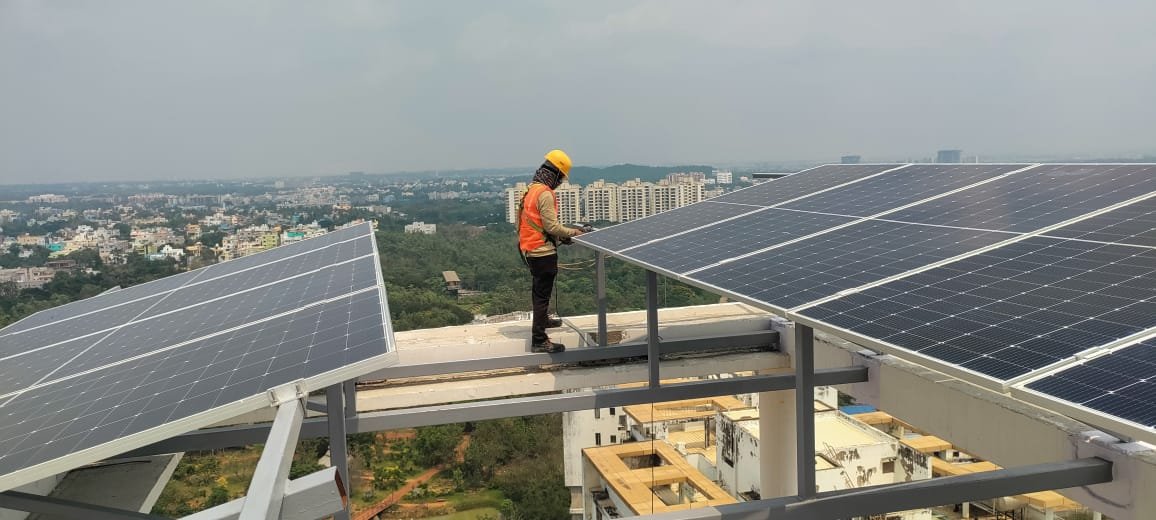
A boat solar structure is a specially engineered framework designed to mount solar panels securely on a vessel. Unlike rooftop solar systems, these structures must withstand:
- Constant water movement
- Wind pressure and vibrations
- Harsh environmental conditions
It is not just a support system—it is a key factor in overall system efficiency.
Major Design Challenges Most Buyers Ignore
1. Weight Distribution & Stability
Solar panels, batteries, and mounting structures add significant weight to a boat. Improper weight distribution can:
- Affect buoyancy
- Increase fuel/energy consumption
- Reduce overall stability
Boat design studies show that total system weight can reach several tons depending on capacity, making structural balance critical.
2. Corrosion Resistance
Marine environments are extremely harsh. Continuous exposure to:
- Saltwater
- Humidity
- UV radiation
can quickly damage low-quality materials.
That’s why marine-grade aluminum or anti-corrosion coated steel is essential for long-lasting performance.
3. Vibration & Continuous Movement
Unlike land-based solar systems, boats are constantly moving. This creates:
- Structural fatigue
- Loosening of joints
- Risk of panel damage
A well-designed solar structure must absorb vibration while maintaining rigidity.
4. Space Optimization
Boat deck space is limited, yet energy demand is high. Efficient design must:
- Maximize panel placement
- Avoid shading
- Maintain accessibility
Modern solar boats integrate panels into roofs and decks to optimize space without compromising performance.
5. Wind Load & Aerodynamics
At higher speeds or in open waters, wind pressure becomes a major factor. Poorly designed structures can:
- Increase drag
- Reduce efficiency
- Risk structural failure
Aerodynamic design ensures smooth airflow and better energy efficiency.
6. Structural Integration with Boat Design
A solar structure cannot be treated as an add-on. It must be integrated with:
- Hull design
- Center of gravity
- Passenger capacity
For example, catamaran-style boats are often preferred for better stability and load distribution.
Cost vs Performance: What You Should Know
The cost of solar-powered boats in India can vary widely—from around ₹5 lakh to ₹2 crore or more depending on size and technology.
A poorly designed solar structure may reduce:
- System efficiency
- Lifespan of panels
- Return on investment
Investing in a high-quality structure ensures better long-term performance and lower maintenance costs.
Smart Design Solutions (What to Look For)
When choosing a boat solar structure, consider:
- Lightweight yet strong materials
- Anti-corrosion coating
- Modular and customizable design
- Proper load distribution engineering
- Secure mounting systems
Companies specializing in solar structures, like SmartCube India, focus on engineering-driven solutions that ensure durability, efficiency, and long-term reliability.
Future Trends in Boat Solar Structures
The industry is evolving rapidly with innovations such as:
- Foldable or adjustable solar frames
- Integrated solar roofs
- Hybrid solar + battery optimization
- Smart monitoring systems
India has already seen the launch of advanced solar-electric boats capable of operating efficiently even in rough waters, highlighting the future potential of this technology.
Conclusion
While solar panels and batteries often take center stage, the solar structure is the backbone of any solar-powered boat. Ignoring its design can lead to inefficiency, higher costs, and operational risks.
For long-term success, buyers must focus on engineering quality, material durability, and smart design integration. Choosing the right solar structure solution ensures not only performance but also sustainability and profitability.