

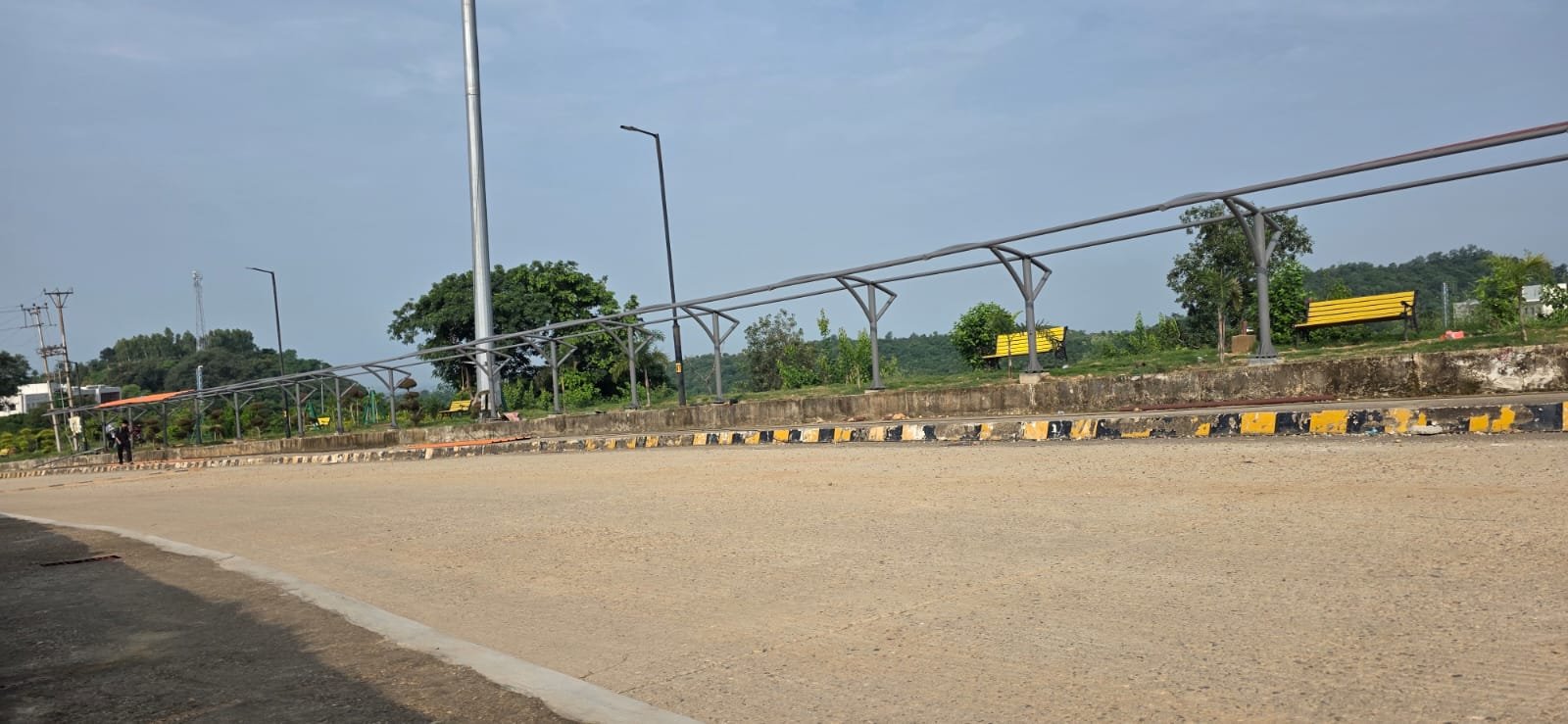
Solar Mounting Structures for Coastal Areas
Solar energy installations are increasingly being adopted by industrial facilities, commercial buildings, solar farms, and businesses across India. However, installing solar panels in coastal and high-humidity regions requires special attention to the durability of the mounting structure.
Locations near the sea are frequently exposed to salt-laden air, moisture, rainfall, and strong winds. Similarly, regions with consistently high humidity can experience faster corrosion when metal components are not adequately protected. Over time, these conditions can affect the structural integrity of solar mounting systems and increase maintenance requirements.
Choosing the right solar mounting structures for coastal areas is therefore essential for maintaining structural stability, protecting the solar investment, and supporting long-term system performance.
In this guide, we explain the key factors to consider when selecting solar mounting structures for coastal and high-humidity environments.
Why Do Coastal and High-Humidity Environments Require Special Attention?
Environmental conditions have a direct influence on the performance and durability of solar mounting structures.
Three major factors deserve particular consideration.
1. Salt Exposure and Corrosion
Coastal air can contain salt particles that settle on exposed metal surfaces. When salt deposits combine with moisture, they can accelerate corrosion, particularly where protective coatings are damaged or inadequate.
Corrosion may affect structural members, fasteners, joints, and connection points. If left unaddressed, it can weaken components and increase maintenance costs.
For this reason, solar installations near the coastline require appropriate corrosion protection based on the actual site conditions.
2. High Humidity and Frequent Rainfall
High humidity increases the time metal surfaces remain exposed to moisture. Frequent rainfall and poor drainage can further increase the risk of corrosion, particularly around joints, fasteners, and areas where water accumulates.
A suitable mounting structure should incorporate appropriate materials, protective treatments, and a design that supports effective drainage and inspection.
3. Strong Winds and Severe Weather
Coastal regions may also experience strong winds, cyclonic conditions, and heavy rainfall.
Solar panels create additional wind loads on the supporting framework. The structure must therefore be designed to withstand the expected wind pressure, uplift forces, and other loads applicable to the project location.
Corrosion resistance alone is not enough. A reliable solar mounting system requires both suitable material protection and sound structural engineering.
1. Choose the Right Material for the Environment
Material selection is one of the most important decisions when planning a solar installation in a corrosive environment.
Galvanized steel and aluminium are commonly used for solar mounting structures. The appropriate option depends on the project’s structural requirements, environmental exposure, installation type, and budget.
Hot-Dip Galvanized Steel
Hot-dip galvanized steel is widely used in solar mounting systems because it combines structural strength with zinc-based corrosion protection.
The galvanizing process creates a protective zinc coating over the steel surface. When properly specified and applied, this coating helps protect the underlying metal against corrosion.
For coastal and high-humidity installations, consider the following factors:
- The galvanizing process and coating thickness.
- The expected level of salt and moisture exposure.
- The condition of the coating on cut edges, welds, and connections.
- The suitability of the material specification for the project’s intended service life.
- The manufacturer’s quality-control and inspection procedures.
The coating specification should be selected according to the actual environmental conditions rather than relying on a generic galvanizing requirement.
Aluminium Solar Mounting Structures
Aluminium is another option for solar mounting applications, particularly where reduced structural weight and corrosion resistance are important considerations.
Its naturally forming oxide layer provides protection against many forms of atmospheric corrosion. However, performance still depends on the aluminium alloy, surface condition, connections, and surrounding environment.
Aluminium structures should be assessed for:
- Required load-bearing capacity.
- Wind resistance and structural stability.
- Compatibility with fasteners and connecting components.
- Suitability for the specific coastal environment.
- Installation and maintenance requirements.
Aluminium is not automatically the best choice for every coastal project. The final selection should be based on engineering calculations and the project’s environmental conditions.
2. Evaluate the Corrosion Protection System
Selecting a suitable metal is only one part of corrosion prevention. The protective coating and its quality are equally important.
Before finalising a solar mounting structure, ask the manufacturer about the corrosion protection system used for the proposed installation.
Important considerations include:
Protective coating: Confirm the coating type and specified thickness. For galvanized steel, the appropriate specification should reflect the expected corrosivity of the site.
Cut edges and welded areas: Fabrication can create areas where the original protective coating is affected. These locations require appropriate inspection and protection.
Fasteners and connectors: Bolts, nuts, washers, and other connection components should be selected for the environment. Their corrosion resistance and compatibility with the main structural material should be assessed together.
Coating inspection: Ask how coating quality is verified during manufacturing and whether inspection records are available.
Additional protection: In particularly aggressive coastal environments, an engineered combination of galvanizing and a compatible paint system may be considered where appropriate.
A properly specified protection system helps reduce premature corrosion and supports the long-term reliability of the installation.
3. Assess the Site Before Finalising the Structure
Not every coastal or humid location presents the same level of corrosion risk.
A solar installation directly exposed to sea spray may face different conditions from a project situated farther inland. Industrial emissions, surrounding chemicals, prevailing winds, rainfall, and local drainage can also influence material performance.
A site assessment should consider:
- Distance from the coastline and direct exposure to sea spray.
- Local humidity, rainfall, and prevailing wind conditions.
- Potential industrial pollutants or chemical exposure.
- Rooftop or ground conditions.
- Existing corrosion on nearby metal structures.
- Accessibility for inspection and maintenance.
For larger projects, the environmental exposure category should be established using an appropriate corrosion-classification method, such as ISO 9223, where applicable.
This information helps engineers determine suitable materials, protective coatings, and inspection requirements.
4. Prioritise Structural Strength and Wind Resistance
A solar mounting structure must do more than resist corrosion. It must safely support the panels throughout their intended service life.
Coastal projects may face demanding wind conditions, making structural design particularly important.
Before approving a design, consider the following requirements.
Wind Load Calculations
The structure should be engineered for the applicable wind loads at the installation site. Wind speed, terrain, building height, panel arrangement, tilt angle, and exposure conditions can influence the design.
Structural Components
Columns, rafters, purlins, bracing, and connection points must be appropriately sized for the expected loads.
Foundation and Anchoring
For ground-mounted installations, foundation design should account for soil conditions and the loads transferred through the structure. Rooftop installations require suitable anchoring and verification of the existing roof’s structural capacity.
Applicable Standards
Structural calculations and detailing should follow the applicable Indian standards and project requirements. Wind-load assessment should consider IS 875 (Part 3), along with other relevant structural design standards.
A properly engineered structure helps reduce the risk of excessive movement, connection failure, and damage during severe weather.
5. Select the Right Structure for Your Installation Type
The type of solar installation also influences the selection of mounting materials and protective systems.
Rooftop Solar Mounting Structures
Rooftop installations require particular attention to roof condition, anchoring, water drainage, and compatibility with the existing building.
For metal-sheet roofs, the mounting arrangement should be designed to minimise the risk of leakage and damage to the roof covering.
For RCC rooftops, the structure and anchoring system should be assessed against the building’s structural capacity and waterproofing requirements.
Ground-Mounted Solar Structures
Ground-mounted systems require careful consideration of soil conditions, foundation design, drainage, and exposure to wind and moisture.
Where the site has aggressive soil conditions or persistent water accumulation, the foundation and embedded components may require additional protection.
Solar Car Parking Structures
Solar carports combine parking infrastructure with electricity generation. Their elevated panels and supporting framework must be designed to withstand the relevant wind loads while providing safe vehicle access.
In coastal environments, corrosion protection should extend to the structural connections and other exposed components, not just the main steel members.
The correct mounting solution should be selected according to the installation environment, intended use, and structural design requirements.
6. Consider Maintenance and Long-Term Performance
Even a well-designed solar mounting structure benefits from periodic inspection, particularly in coastal and high-humidity locations.
A maintenance plan should include:
- Inspecting exposed steel and aluminium components for signs of corrosion or surface deterioration.
- Checking fasteners, joints, bracing, and anchoring points.
- Identifying damaged coatings, particularly around cut edges and connections.
- Removing salt deposits using suitable cleaning methods where required.
- Checking drainage areas for water accumulation.
- Recording inspection findings and arranging repairs when necessary.
The frequency of inspection should reflect the site’s environmental exposure, manufacturer recommendations, and project requirements.
Regular maintenance helps identify developing problems before they affect structural performance.
7. Questions to Ask Before Choosing a Solar Structure Manufacturer
Before purchasing solar mounting structures for a coastal or humid location, ask the manufacturer a few important questions.
- Which materials are available for the proposed installation?
- What corrosion protection system is recommended for the site?
- What galvanizing or coating specification will be supplied?
- How are cut edges, welded areas, and fasteners protected?
- Has the structure been designed for the project’s applicable wind loads?
- What quality-control checks are carried out during fabrication?
- Are material and coating specifications documented?
- What inspection and maintenance practices are recommended?
A reliable supplier should be able to explain the proposed material specifications and how the design addresses the project’s environmental and structural requirements.
Comparing these details helps buyers make an informed decision instead of selecting a mounting structure based on price alone.
Why Choose Smart Cube India for Solar Mounting Structures?
Smart Cube India specialises in solar mounting structure manufacturing and fabrication for different applications, including rooftop installations, ground-mounted solar systems, and solar car parking structures.
The company offers solar mounting structure solutions using materials such as hot-dip galvanized steel and aluminium, depending on project requirements.
For installations in coastal and high-humidity regions, selecting the appropriate material, corrosion protection system, and structural design is essential.
Smart Cube India can be considered for projects requiring solar mounting structures tailored to specific installation needs. Project requirements, including site conditions, wind loads, material specifications, and installation type, should be evaluated before finalising the solution.
To explore the available solutions, visit the Smart Cube India website and discuss your project requirements with the team.
Frequently Asked Questions (FAQs)
1. Which solar mounting structure material is suitable for coastal areas?
Hot-dip galvanized steel and suitable grades of aluminium are both potential options. The best choice depends on salt exposure, structural loads, coating specifications, connection details, and project requirements.
2. Why is corrosion protection important for solar mounting structures?
Corrosion can weaken structural members and connections over time. Appropriate materials, protective coatings, and regular inspections help maintain structural integrity and reduce premature deterioration.
3. Is hot-dip galvanized steel suitable for high-humidity regions?
Yes, hot-dip galvanized steel can be suitable when the galvanizing specification is appropriate for the environment. More aggressive coastal conditions may require additional protection and a carefully planned maintenance programme.
4. How does high humidity affect solar mounting structures?
High humidity increases exposure to moisture, which can accelerate corrosion when protective coatings are inadequate or damaged. Fasteners, joints, and poorly drained areas deserve particular attention.
5. Do solar mounting structures in coastal regions require special maintenance?
They may require more frequent inspections than installations in less corrosive environments. The inspection schedule should reflect local exposure, coating performance, manufacturer guidance, and the condition of the structure.
6. What should be checked before installing solar panels near the sea?
Assess corrosion exposure, material and coating specifications, wind loads, structural connections, foundation or roof capacity, drainage, and access for future inspections.
Conclusion
Choosing solar mounting structures for coastal and high-humidity regions requires careful consideration of corrosion resistance, structural strength, material compatibility, and long-term maintenance.
Hot-dip galvanized steel and aluminium can both be appropriate, provided the selected material and protection system are suited to the project’s actual environmental conditions. Proper wind-load calculations, quality-controlled fabrication, suitable connections, and regular inspections are equally important.
For industrial facilities, commercial buildings, and solar project developers, investing in a properly engineered mounting structure can help protect the solar installation and reduce avoidable maintenance problems over time.
Planning a solar installation in a coastal or high-humidity region? Contact Smart Cube India to discuss your project requirements and explore suitable solar mounting structure solutions.