

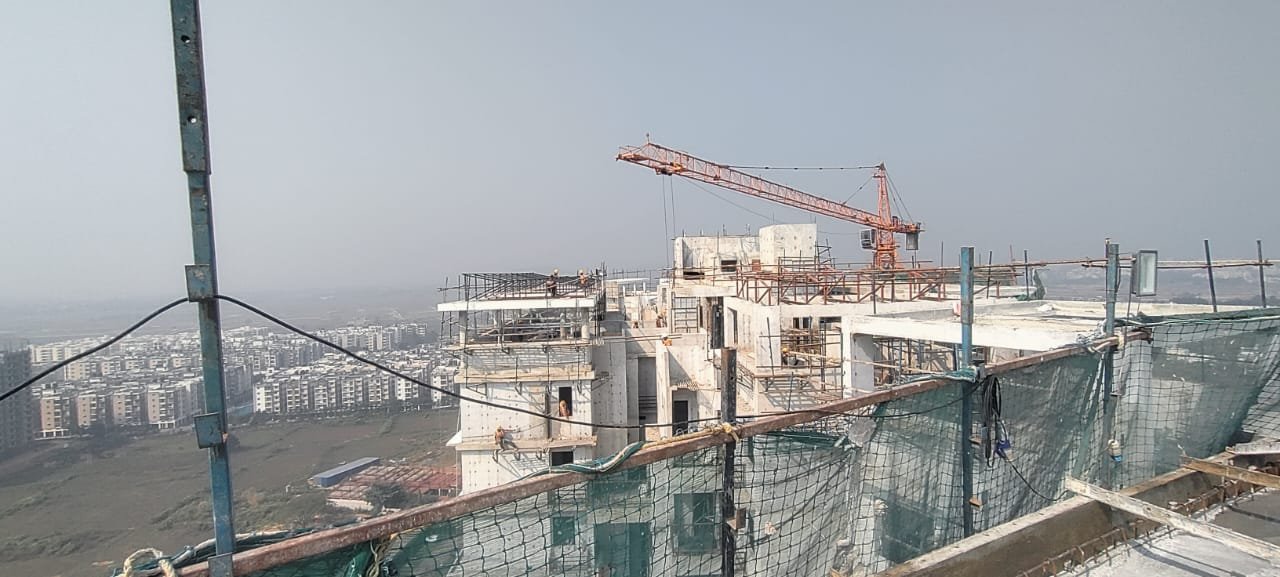
C Purlin and Z Purlin
When planning an industrial building, warehouse, factory shed, or commercial structure, selecting the right roofing components is essential for structural stability and long-term performance. Among the most commonly used steel components in industrial roofing are C purlins and Z purlins. Both support roof sheeting and help transfer loads to the main structural framework, but their shapes and applications differ.
For businesses planning new construction or expanding existing facilities, understanding the differences between C purlins and Z purlins can help make better decisions about structural design, material selection, and project requirements.
SmartCube India provides steel fabrication solutions, including C purlins and structural components for industrial and infrastructure applications.
What Are C Purlins?
C purlins are cold-formed steel sections shaped like the letter “C”. They are commonly used as horizontal supporting members in roof and wall framing systems.
Their shape makes them suitable for a range of industrial and commercial applications, including factory sheds, warehouses, workshops, and commercial buildings.
Key Applications of C Purlins
- Industrial factory roofing
- Warehouse roof structures
- Wall girts and cladding supports
- Commercial and agricultural buildings
- Supporting frameworks for metal roofing sheets
C purlins are often considered for straightforward structural layouts where the required spans, loads, and connection details suit their design.
What Are Z Purlins?
Z purlins are steel sections shaped like the letter “Z”. They are widely used in industrial roofing systems, particularly where overlapping connections between adjacent purlins can provide structural continuity.
Their geometry can make them suitable for certain continuous-span roofing arrangements, depending on the structural design and connection details.
Key Applications of Z Purlins
- Large industrial sheds
- Manufacturing facilities
- Warehouses and distribution centres
- Commercial roofing systems
- Buildings requiring continuous purlin arrangements
Z purlins can be particularly useful in multi-span roof systems when designed with appropriate overlaps, connections, and support conditions.
C Purlin vs Z Purlin: What Is the Difference?
Although both sections serve similar purposes, their geometry and installation requirements influence where they are most suitable.
| Feature | C Purlin | Z Purlin |
|---|---|---|
| Cross-sectional shape | C-shaped | Z-shaped |
| Common applications | Roof framing and wall supports | Roof framing, including continuous-span arrangements |
| Overlapping | Depends on the design | Often convenient because of the section geometry |
| Installation | Depends on the framing layout | May require specific orientation and overlap details |
| Selection criteria | Span, loads, connections, and project design | Span, loads, continuity, and connection design |
Neither profile is automatically better for every project. The right choice depends on engineering calculations, roof geometry, structural requirements, and installation conditions.
5 Factors to Consider When Selecting C or Z Purlins
1. Span and Structural Loads
The distance between supporting frames is one of the most important factors when selecting a purlin.
Longer spans may require a different section size, thickness, or structural arrangement. Engineers must also consider roof sheeting, insulation, maintenance loads, wind pressure, and other applicable loading conditions.
Selecting purlins based only on their appearance or price can result in an unsuitable structural system.
2. Steel Thickness and Material Quality
Purlin thickness and steel grade influence strength, stiffness, and performance. The correct specifications should be determined according to the intended application and engineering requirements.
Before purchasing, confirm the section dimensions, material specifications, thickness, and relevant quality documentation with the supplier.
3. Corrosion Protection
Industrial roofing components are often exposed to humidity, rainfall, temperature changes, and other environmental conditions.
Appropriate corrosion protection can help reduce deterioration and maintenance requirements. The suitable protective coating or finish depends on the location, expected exposure, material specification, and project requirements.
For industrial facilities in humid or corrosive environments, corrosion protection should be considered during the initial design stage.
4. Roof Design and Installation Requirements
The roof slope, spacing between structural frames, roofing material, and connection arrangement all affect purlin selection.
C and Z purlins may be installed differently depending on the structural layout. Z purlins can facilitate overlapping in some continuous-span systems, while C purlins may be suitable for simpler framing arrangements.
Installation should follow the approved engineering drawings and the manufacturer’s specifications.
5. Total Project Cost
The purchase price is only one part of the overall cost of a roofing structure.
A proper comparison should consider material consumption, fabrication, transportation, installation, corrosion protection, maintenance, and the expected service requirements of the building.
Choosing the lowest-priced purlin without checking its specifications may create additional costs if it does not meet the project’s structural requirements.
Why Are C and Z Purlins Important for Factory Sheds?
Factory sheds often require wide, unobstructed spaces for machinery, production lines, storage, and material movement. Purlins help support the roofing system and transfer applicable loads to the main structural framework.
Properly selected purlins can contribute to:
- Reliable support for roof sheeting
- Efficient use of structural materials
- Appropriate load transfer through the roofing system
- Practical installation and maintenance
- Structural performance suited to the building’s intended use
However, overall roof performance depends on the complete structural system, including columns, rafters, bracing, connections, foundations, and roofing materials. Purlin selection should therefore form part of the overall engineering design rather than being treated as an isolated decision.
Common Mistakes to Avoid When Buying Purlins
Businesses and contractors should avoid several common mistakes during procurement.
Ignoring structural calculations: Purlins should be selected according to the required loads and spans, not simply by copying specifications from another building.
Comparing different specifications: Two products may have different thicknesses, steel grades, dimensions, or coatings even when they have similar external shapes.
Overlooking corrosion protection: Environmental exposure can affect durability and maintenance requirements.
Neglecting connection details: Fasteners, overlaps, support conditions, and installation orientation all influence structural performance.
Focusing only on the initial price: The complete cost of procurement, installation, and maintenance provides a more useful basis for comparison.
Working with an experienced steel fabrication supplier and a qualified structural engineer can help reduce these risks.
Why Choose SmartCube India for Steel Fabrication Solutions?
SmartCube India is a steel fabrication company established in 2018, offering solutions for industrial, commercial, and infrastructure applications. Its product range includes C purlins, factory sheds, rooftop shades, solar mounting structures, and other fabricated steel components.
For projects involving industrial roofing or steel structures, selecting suitable components begins with clearly defining the project’s requirements.
Before requesting a quotation, prepare details such as the building dimensions, roof layout, required purlin lengths, material specifications, environmental conditions, and estimated quantities. These details help suppliers understand the scope of work and provide more relevant quotations.
SmartCube India serves clients across West Bengal and other regions, including North Bengal, Assam, and Bihar.
Conclusion
Choosing between C purlins and Z purlins requires an understanding of the building layout, structural loads, span requirements, material specifications, and installation conditions. Both profiles have useful applications in industrial roofing, but the most appropriate choice depends on the project’s engineering design.
By evaluating the complete requirements before purchasing, factory owners, contractors, and project developers can make more informed decisions about their steel roofing systems.
Looking for C purlins, Z purlins, or customized steel fabrication solutions for your next project? Contact SmartCube India to discuss your requirements and explore suitable options for your industrial roofing and structural needs.
Visit SmartCube India to learn more about its steel fabrication and structural solutions.