

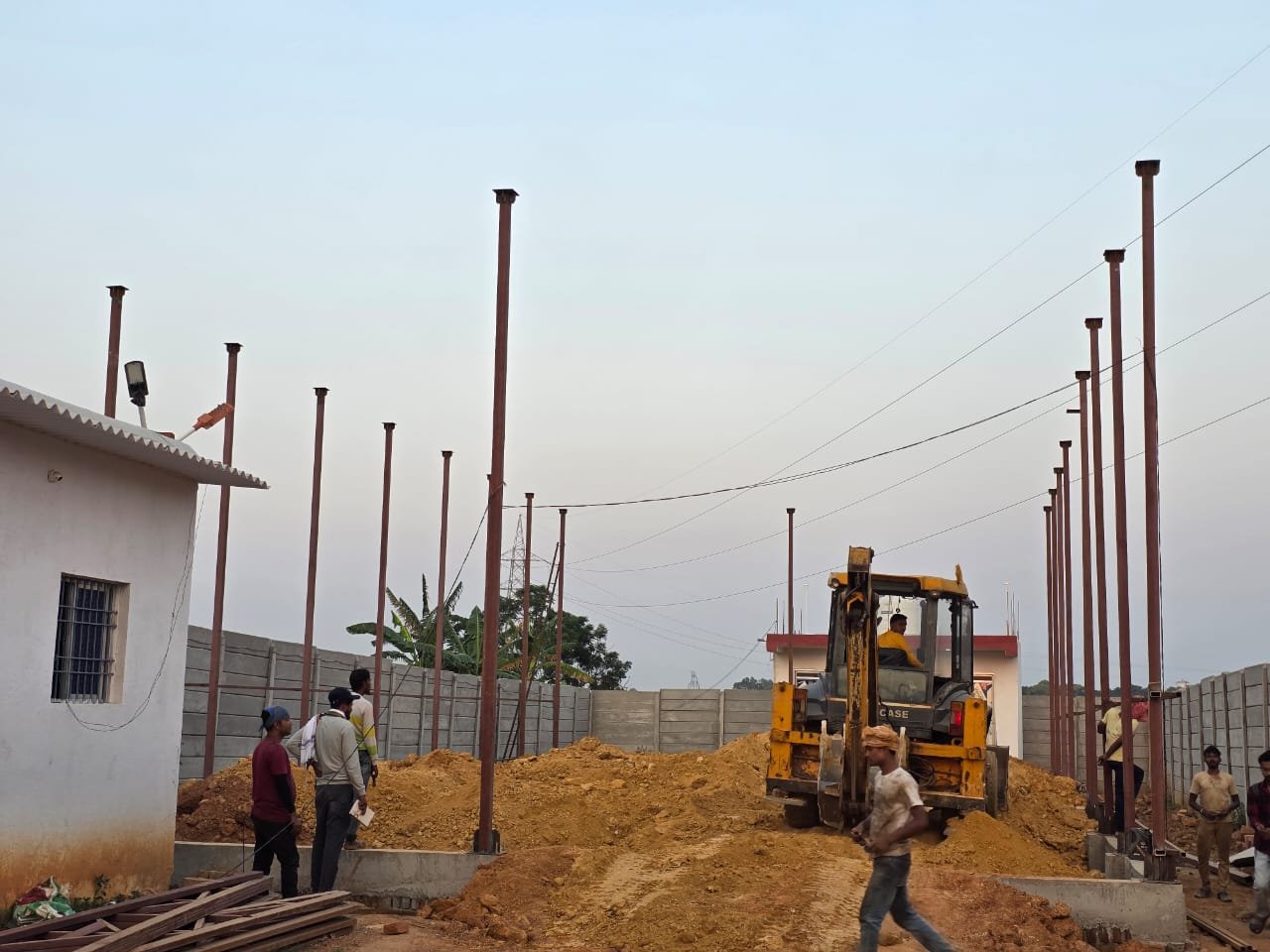
Bracing Systems in Steel Structures
In modern construction, steel structures are widely used for industrial buildings, warehouses, solar mounting systems, and commercial projects. While beams and columns form the primary framework, bracing systems play an equally important role in ensuring stability, safety, and long-term performance.
Despite being less visible, bracing systems are the backbone of structural integrity. Without proper bracing, even the strongest steel structures can fail under pressure from wind, seismic activity, or uneven loads.
This blog explores why bracing systems are essential, the different types used in construction, their applications, and the factors that influence their cost.
What is a Bracing System in Steel Structures
A bracing system is a structural component designed to resist lateral forces such as wind, earthquakes, and dynamic loads. It connects different parts of a structure, ensuring that the building maintains its shape and strength under stress.
Bracing works by transferring forces across the structure, reducing the load on individual components like beams and columns. This results in improved durability and minimized risk of structural failure.
Why Bracing Systems Are Critical
Bracing systems are not optional; they are essential for structural safety and performance. Here’s why:
- Enhanced Stability: Prevents deformation and maintains structural alignment
- Load Distribution: Evenly distributes forces across the framework
- Resistance to External Forces: Protects against wind pressure and seismic activity
- Improved Lifespan: Reduces wear and tear on primary structural elements
- Safety Compliance: Meets engineering and construction standards
In industrial and large-scale steel projects, proper bracing ensures that the structure performs reliably under varying environmental conditions.
Types of Bracing Systems Used in Steel Structures
Different types of bracing systems are used depending on the design, load requirements, and application.
1. X-Bracing (Cross Bracing)
This is one of the most commonly used systems, where two diagonal members cross each other to form an “X” shape. It provides excellent strength and is widely used in industrial sheds and warehouses.
2. K-Bracing
In this system, diagonal members form a “K” shape by connecting to a vertical column. It allows space for doors and windows while still offering structural support.
3. Diagonal Bracing
A simple and cost-effective solution where a single diagonal member supports the structure. It is commonly used in smaller frameworks.
4. Portal Frame Bracing
Used in large-span industrial buildings, this system integrates bracing within rigid frames to provide both strength and flexibility.
Applications of Bracing Systems
Bracing systems are used across a wide range of construction projects, including:
- Industrial sheds and factories
- Warehouses and storage facilities
- Solar mounting structures
- Commercial buildings
- Infrastructure projects
In steel fabrication projects, especially those involving precision engineering, bracing ensures that the structure remains stable even under heavy operational loads.
How Bracing Improves Structural Safety
Bracing systems significantly enhance safety by managing and redistributing forces. When external pressure is applied, bracing channels these forces throughout the structure rather than allowing stress to concentrate in one area.
This reduces the risk of:
- Structural collapse
- Material fatigue
- Joint failure
- Misalignment over time
For industries relying on heavy machinery and large spans, this level of stability is crucial.
Cost Factors of Bracing Systems
The cost of a bracing system depends on several factors:
- Material Type: Mild steel, galvanized steel, or custom alloys
- Thickness and Size: Heavier sections increase strength but also cost
- Design Complexity: Custom-engineered designs require more fabrication effort
- Fabrication Quality: Precision cutting, welding, and finishing impact pricing
- Installation Requirements: Labor and site conditions influence overall cost
Investing in high-quality bracing may increase initial costs but significantly reduces maintenance and repair expenses in the long run.
Why Quality Fabrication Matters
The effectiveness of a bracing system depends heavily on fabrication quality. Poorly manufactured bracing components can compromise the entire structure.
High-quality fabrication ensures:
- Accurate dimensions and alignment
- Strong and reliable joints
- Corrosion resistance
- Long-term durability
Choosing an experienced fabrication partner with advanced machinery and skilled engineers ensures that every component meets industry standards.
Common Mistakes to Avoid
Many projects face issues due to improper bracing decisions. Here are some common mistakes:
- Ignoring structural design requirements
- Using low-grade materials
- Poor welding and fabrication quality
- Incorrect installation methods
- Lack of professional engineering guidance
Avoiding these mistakes can save significant time, cost, and safety risks.
Conclusion
Bracing systems are a critical component of any steel structure, ensuring stability, safety, and durability. From industrial sheds to solar structures, the right bracing design and fabrication can make a significant difference in performance and longevity.
Understanding the types, applications, and cost factors helps in making informed decisions for your project. Whether you are planning a new construction or upgrading an existing structure, investing in high-quality bracing systems is essential for long-term success.
For reliable and precision-engineered steel fabrication solutions, working with experienced professionals ensures that your structure stands strong against every challenge.