

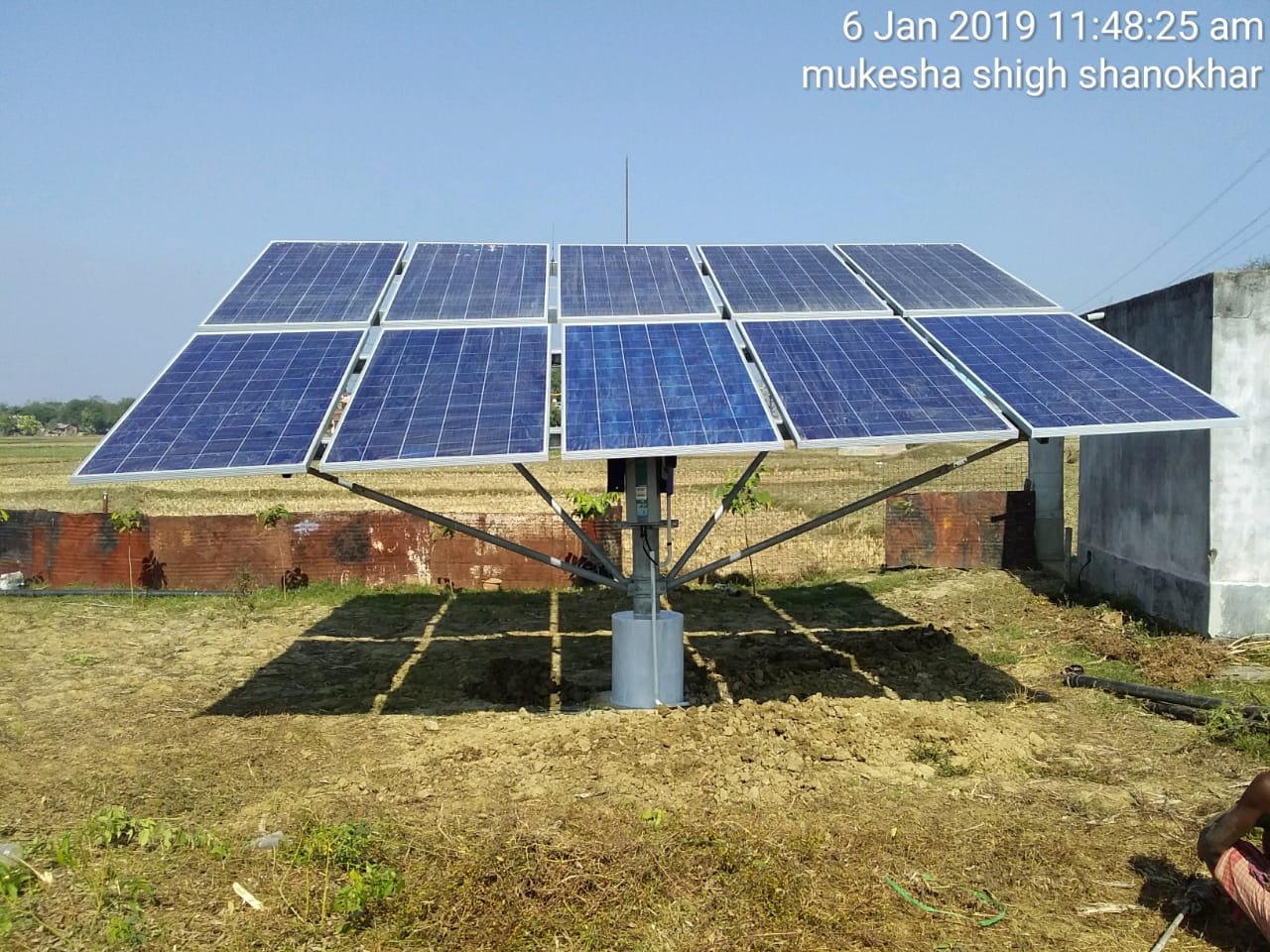
Solar Mounting Structure for Indian Weather
India’s diverse climate—from extreme heat in Rajasthan to heavy rainfall in Kerala and strong coastal winds—makes choosing the right solar mounting structure a critical decision for any solar installation.
A well-designed mounting structure not only supports solar panels but also ensures durability, efficiency, and long-term performance. Selecting the wrong structure can lead to reduced energy output, corrosion, or even system failure.
This guide will help you understand how to choose the right solar mounting structure based on Indian weather conditions.
Why Solar Mounting Structures Matter
Solar mounting structures are the backbone of any solar power system. They:
- Hold panels securely in place
- Maintain the correct tilt and orientation
- Withstand environmental stress
- Ensure maximum sunlight exposure
In a country like India, where weather conditions vary significantly, the right structure directly impacts system efficiency and lifespan.
Key Factors to Consider Based on Indian Weather
1. High Temperature Resistance
In regions like Rajasthan, Gujarat, and parts of North India, temperatures can exceed 45°C.
What to look for:
- Heat-resistant materials like galvanized steel or aluminum
- Structures that allow proper airflow under panels
- Coatings that prevent thermal expansion damage
2. Wind Load Capacity (Coastal & Open Areas)
Coastal states such as Tamil Nadu, Odisha, and Maharashtra experience strong winds and cyclones.
What to consider:
- Wind-resistant design with strong anchoring
- Aerodynamic mounting structures
- Proper load calculation based on location
A poorly designed structure can collapse under high wind pressure.
3. Corrosion Resistance (Humid & Coastal Regions)
Humidity and salt in the air can cause rapid corrosion, especially near coastal areas.
Best solutions:
- Hot-dip galvanized steel structures
- Aluminum structures for higher corrosion resistance
- Anti-rust coatings
This ensures long-term durability with minimal maintenance.
4. Rainfall and Water Drainage
Regions like Kerala, Assam, and West Bengal receive heavy rainfall.
Important features:
- Elevated mounting to prevent water accumulation
- Proper drainage design
- Strong foundations to avoid soil erosion issues
5. Structural Strength for Snow (Hilly Regions)
In northern states like Himachal Pradesh and Jammu & Kashmir, snowfall adds extra load on structures.
What to choose:
- High load-bearing capacity
- Steeper tilt angles for snow shedding
- Reinforced mounting systems
Types of Solar Mounting Structures to Choose From
Rooftop Mounting Structures
- Ideal for residential and commercial buildings
- Space-saving and cost-effective
- Requires proper roof assessment
Ground-Mounted Structures
- Suitable for large-scale solar projects
- Easier maintenance and installation
- Requires more land
Fixed Tilt vs Adjustable Structures
- Fixed tilt: Lower cost, less maintenance
- Adjustable: Higher efficiency, better performance in varying seasons
Material Selection: Steel vs Aluminum
Galvanized Steel
- Strong and durable
- Cost-effective
- Requires proper coating for corrosion protection
Aluminum
- Lightweight and corrosion-resistant
- Ideal for coastal regions
- Slightly higher cost
Common Mistakes to Avoid
- Ignoring local weather conditions
- Choosing low-quality materials
- Improper installation or weak anchoring
- Not considering long-term maintenance
Avoiding these mistakes can save significant repair costs in the future.
Why Choose SmartCube India
With expertise in designing durable and efficient solar mounting structures, SmartCube India ensures solutions tailored to Indian environmental conditions.
Key advantages:
- High-quality materials
- Weather-resistant designs
- Custom solutions for different regions
- Long-lasting performance
Conclusion
Choosing the right solar mounting structure is not just about supporting panels—it’s about ensuring safety, efficiency, and long-term returns on your solar investment.
By considering factors like temperature, wind, rainfall, and corrosion, you can select a structure that performs reliably across India’s diverse climate conditions.
If you’re planning a solar installation, make sure your mounting structure is built to withstand the environment it will operate in.
For expert guidance and high-quality solutions, connect with SmartCube India today.